Wild Honey Font Review for Organic Branding
When I opened my design software last Tuesday to tackle a visual refresh for a local botanical skincare line, the blank canvas felt intimidatingly sterile. I needed something that breathed life into the layout without screaming for attention. That is when I loaded Wild Honey, a script handwritten typeface that immediately shifted the mood of the project. As one of the more distinctive fonts in my library, it offered the perfect balance of quirkiness and professionalism. If you are looking to escape sterile, boring geometry and inject soul into your designs, this typeface is a compelling option worth testing.
Using Wild Honey for Slow-Living Brand Identity
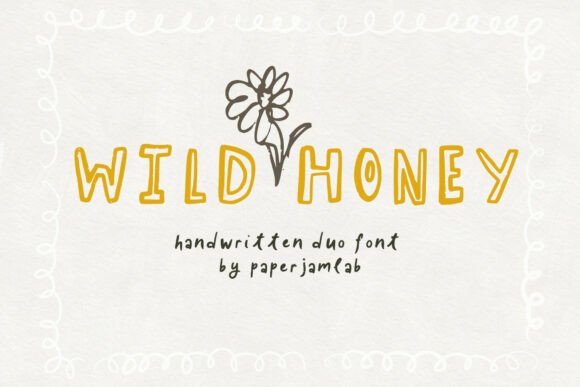
The first place I applied Wild Honey was on the primary logo draft. In the world of brand identity, finding a script handwritten font that does not look like a default system font is a challenge. This font succeeds because it feels deeply organic, with irregular strokes that mimic the natural flow of a brush held by a human hand. For slow-living brands, dreamers, and storytellers, this authenticity is crucial. It does not feel manufactured; it feels crafted.
I tested the font at various sizes on the brand board. At larger display sizes, the quirky details shine, creating a strong visual hierarchy. The letters connect smoothly, but there is enough variation in the baseline and stroke width to keep the eye engaged. When designing for a boutique identity project, you want the logo to feel approachable yet premium. Wild Honey delivers this by avoiding the rigid perfection of geometric sans serifs. It suggests warmth, care, and a personal touch, which aligns perfectly with businesses that prioritize handmade quality or organic ingredients.
Wild Honey on Packaging Design and Product Labels
Moving from the digital screen to physical mockups, I placed the font on a series of packaging labels for glass jars and cardboard boxes. This is where many decorative fonts fail, either becoming illegible or losing their charm when scaled down. However, Wild Honey holds up surprisingly well as an accent font on packaging design. The thick-to-thin contrast remains visible even when printed on textured paper, adding a tactile quality to the visual experience.
For product labels, readability is key, but so is personality. I found that using Wild Honey for the product name while pairing it with a clean, modern typography system for the ingredient list created a balanced composition. The script acts as the emotional hook, drawing the customer in, while the supporting sans serif provides the necessary clarity. This combination works exceptionally well for creative studios and online shop owners who need their merchandise to stand out on crowded shelves or in Instagram flat lays. The font’s untamed nature ensures that each label feels unique, even when part of a consistent product line.
Pairing Wild Honey with Serif and Sans Serif Fonts
No font exists in a vacuum, and successful web design or editorial design relies on effective font pairing. During my review, I experimented with combining Wild Honey with different typefaces to see how it interacts within a broader design system. Because it is a script handwritten font with significant personality, it demands a quiet partner. I found that a neutral sans serif font works best for body text and secondary information, allowing the script to remain the focal point without creating visual clutter.
For a more traditional or elegant feel, pairing Wild Honey with a classic serif font can elevate the design for wedding invitations or high-end boutique branding. The contrast between the structured serifs and the fluid, organic lines of the script creates a sophisticated tension. However, designers should avoid pairing it with another decorative or handwritten font, as this often leads to a messy and unprofessional appearance. The goal is to let Wild Honey breathe. By keeping the surrounding elements minimal, you ensure that the font’s quirky charm is highlighted rather than overwhelmed. This approach is essential for maintaining consistency and professionalism across business cards, flyers, and social media graphics.
Readability Limits and Best Use Cases for Wild Honey
While Wild Honey is a powerful tool for display purposes, it is important to recognize its limitations. This is not a font for long-form body text or small print details. Its strength lies in short phrases, headlines, and logos. Attempting to use it for paragraphs on a website or detailed instructions on a product back-label would compromise readability and frustrate the user. As a designer, I always recommend using such script fonts sparingly to maintain their impact.
The ideal applications for Wild Honey include homepage hero sections, Instagram post overlays, poster headers, and custom merchandise. It excels in contexts where the message is brief and the emotional tone is warm, inviting, or whimsical. For formal corporate environments or technical documentation, this font would be inappropriate. It is designed for dreamers and creatives, not for financial reports or legal disclaimers. Understanding this boundary helps designers use the font effectively, ensuring it enhances the brand perception rather than detracting from it. When used correctly, it boosts audience engagement by adding a layer of human connection to digital and print assets.
Licensing and Final Tips for Commercial Design Assets
Before integrating Wild Honey into any client work, it is vital to review the commercial font licensing terms. Whether you are creating templates for sale, designing packaging for a startup, or building a website for a local restaurant, understanding the usage rights protects both you and your client. Most premium fonts offer different licenses for desktop use, webfont embedding, and app integration. Ensure you select the correct license for your specific project needs, especially if the design will be used in mass-produced print-on-demand products or digital downloads.
In conclusion, Wild Honey is a versatile and expressive addition to any designer’s toolkit. It offers a refreshing alternative to the sterile aesthetics that dominate much of modern digital design. By embracing its untamed, organic character, you can create branding materials that resonate on a deeper emotional level. Whether you are a freelancer working on a café visual refresh or an entrepreneur launching a handmade shop, this font provides the stylistic flair needed to tell your story authentically. Test it in your next project, pair it wisely, and watch how it transforms simple layouts into engaging narratives.